February 9, 2026
Brake repair is a vital part of vehicle maintenance that directly impacts safety and performance. Your car’s braking system consists of multiple components, such as pads, rotors, calipers, and brake fluid, all working in harmony to stop your vehicle effectively. Identifying early signs of brake wear helps prevent accidents and expensive repairs. Regular inspections and timely brake repair can extend your vehicle’s lifespan and ensure reliable stopping power. In fact, brands like Lexus, Toyota, and Buick consistently rank among the most reliable vehicles according to Consumer Affairs, a testament to the benefits of proper maintenance and attentive care.
Identifying Unusual Noises Indicating Brake Repair Needs
One of the earliest warning signs requiring brake repair is unusual noises when braking. These sounds signal different underlying problems in the braking system and should never be ignored. Addressing these noises promptly can prevent further damage to your vehicle’s braking components. Early intervention helps maintain safe driving conditions and avoids costly repairs down the road. Paying close attention to these noises can be a lifesaving measure that keeps you and others safe on the road.
Noticing Squealing or Grinding Sounds
Squealing sounds usually indicate worn brake pads with built-in wear indicators designed to alert drivers. If you hear persistent squealing, it’s time to schedule brake repair to avoid damage to rotors. Grinding noises are more severe, signaling that the pads may be worn down completely, causing metal-to-metal contact. Ignoring grinding sounds can severely damage your rotors, leading to more costly repairs and compromised safety. Prompt brake repair stops this damage from worsening.
Detecting Rattling, Clunking, or High-Pitched Screeches
Rattling or vibrating sensations during braking may indicate misaligned or loose brake components, which affect performance and require professional adjustment. Clunking sounds can point to mechanical issues such as loose calipers or suspension problems, demanding immediate brake repair. High-pitched screeches often result from surface rust or debris on rotors, which may resolve with driving but should be inspected if persistent to avoid braking inefficiency. Regular monitoring of these noises can save you from further damage and maintain your vehicle’s braking reliability.
Observing Changes in Brake Pedal Responsiveness
Alterations in how the brake pedal feels are critical indicators of brake repair needs. Whether the pedal feels soft, hard, or goes to the floor, each condition signals different issues within the system. It is important to address any pedal responsiveness issues promptly to ensure your vehicle stops safely under all conditions.
Feeling Soft, Hard, or Unresponsive Brake Pedals
A soft or spongy pedal may indicate air in the brake lines or a fluid leak, both of which reduce braking effectiveness. Conversely, a hard or resistant pedal can signal a faulty brake booster or contaminated fluid, requiring brake repair to restore proper pressure. If the pedal sinks to the floor, this represents an urgent problem, possibly from a master cylinder failure or a severe fluid leak. Immediate professional attention is essential to ensure safety and prevent accidents caused by compromised braking.
Experiencing Pedal Vibrations or Delayed Deceleration
Vibrations in the brake pedal often suggest warped rotors caused by overheating or uneven wear. Delayed deceleration, where your vehicle takes longer to stop, can result from worn pads or malfunctioning components. Both symptoms demand brake repair to maintain safe stopping distances and optimal vehicle control. Timely repairs help maintain the overall responsiveness and safety of your vehicle.
Interpreting Brake System, ABS, and Other Warning Indicators
The brake system light often signals low fluid levels or sensor faults, requiring brake repair to prevent system failure. The ABS (anti-lock braking system) light indicates malfunctioning safety features, demanding inspection and repair for safe vehicle handling. While tire pressure warnings are not directly related to brakes, under-inflated tires can affect braking performance and should be corrected promptly. Master warning lights and service required indicators also highlight the need for immediate attention to your brake system to avoid further complications. Ignoring these lights could put you and other road users at risk.
Noticing Worn Pads, Dust, and Rotor Issues
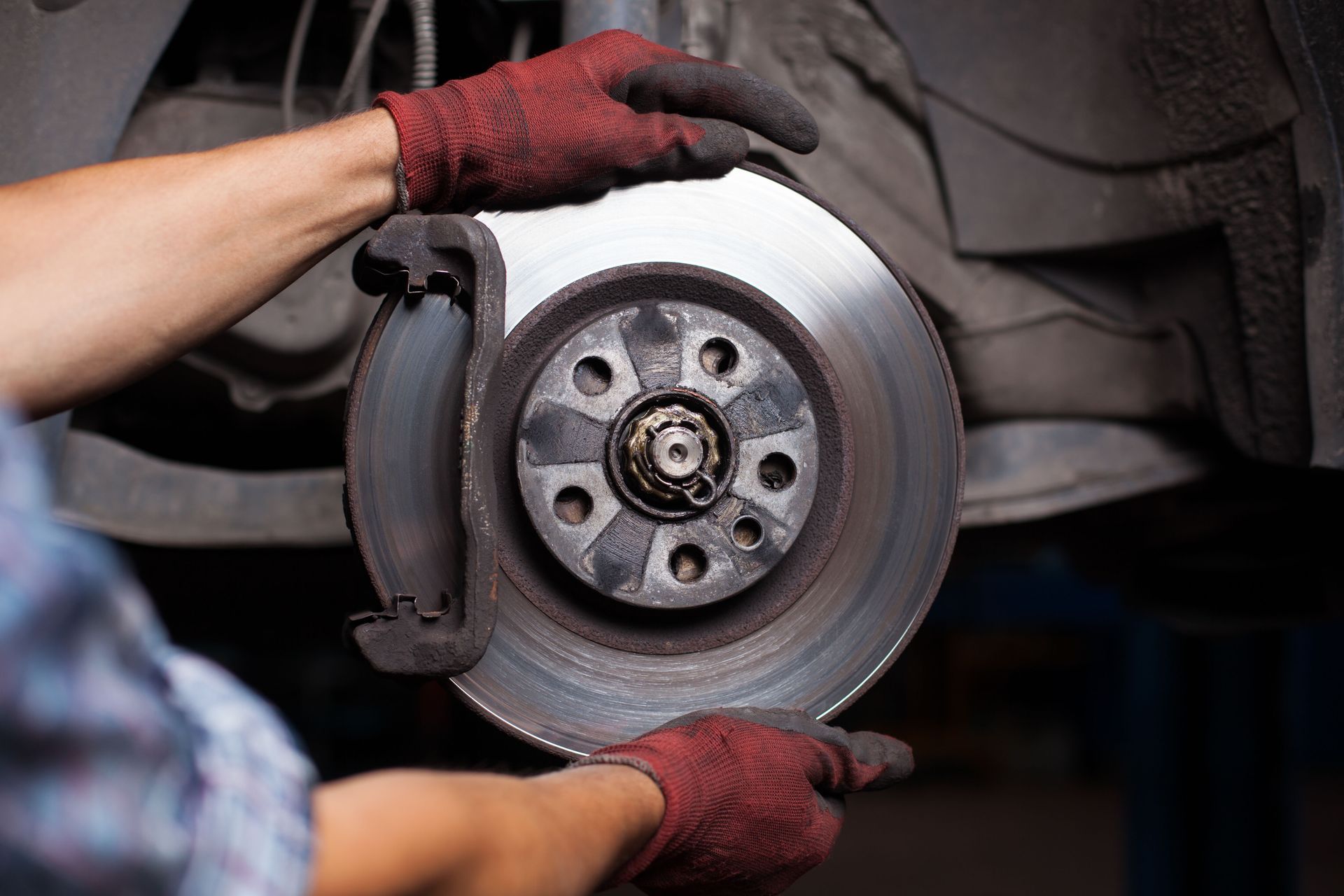
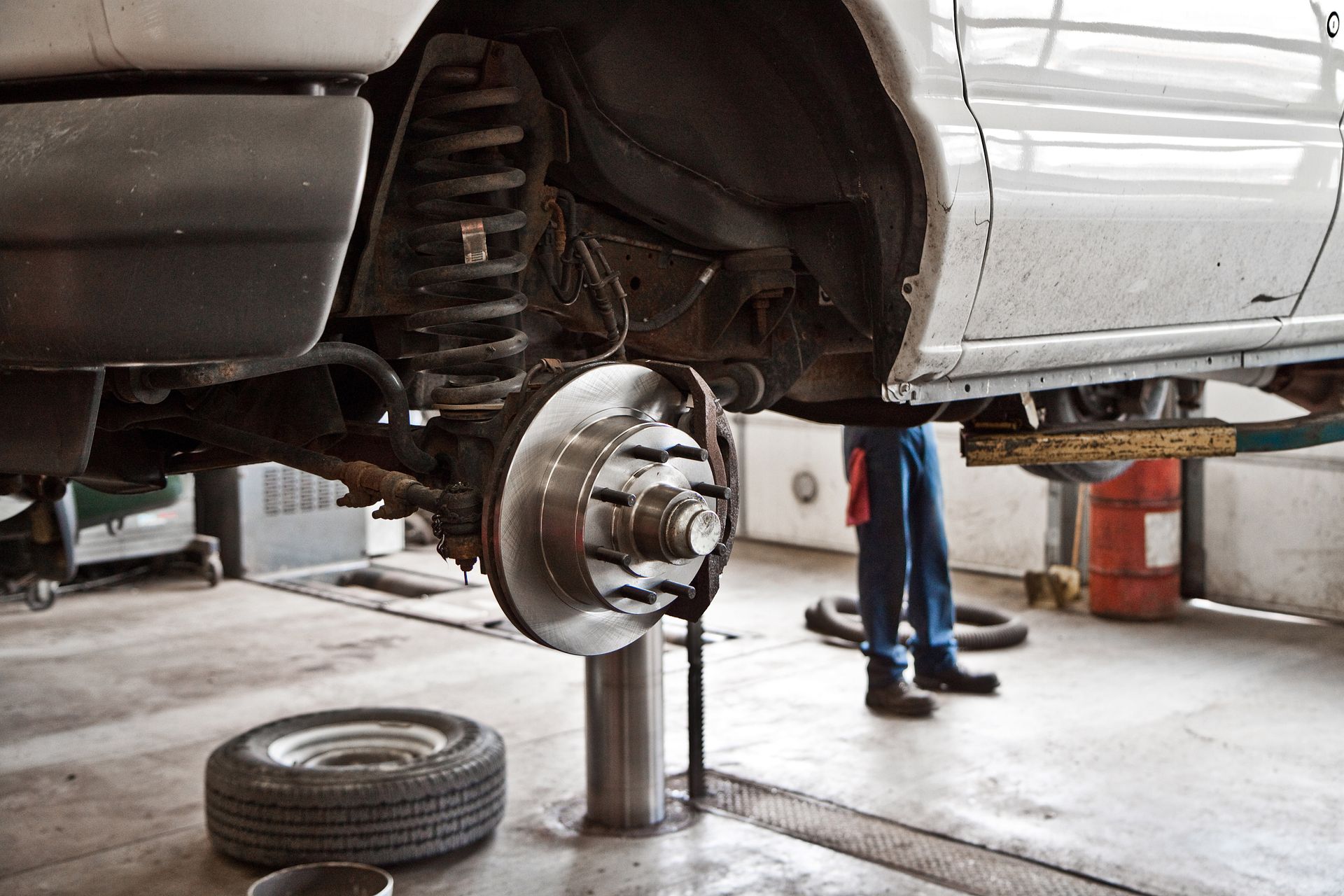
Cracked or excessively worn brake pads require replacement to avoid damage to rotors and calipers. Excessive brake dust buildup on wheels can signal overworked components or overheating, necessitating inspection. Uneven rotor wear causes vibrations and reduces braking efficiency, making it critical to address promptly with professional brake repair. Maintaining clean and intact components prolongs your braking system’s life and ensures safer stops.
Checking for Fluid Leaks and Corrosion
Brake fluid leaks compromise the hydraulic system and should be fixed immediately to maintain proper braking power. Corroded brake components, often caused by moisture and road salt exposure, can deteriorate braking performance. Regular cleaning and protective treatments help prevent corrosion, ensuring your brake system functions safely and reliably. Proper maintenance of these elements is key to avoiding unexpected brake failure.
Recognizing Abnormal Smells as Warning Signs
Unusual odors while driving can indicate brake problems needing repair. Pay attention to these sensory clues to prevent further damage. Early detection of such smells helps you avoid extensive brake system repairs and ensures safe driving conditions. Burning smells during braking often point to overheating brakes, which can cause failure if unaddressed. Chemical odors may suggest leaking or contaminated brake fluid, while acrid smells could indicate electrical issues in braking components such as ABS sensors. Immediate brake repair is essential when these odors occur to maintain safe vehicle operation. Addressing these odors promptly helps prevent dangerous situations on the road.
Identifying Smells Related to Tires or Metal
A hot rubber smell often relates to tire problems like under-inflation or misalignment, which impact braking effectiveness. A smoldering metal aroma signals dangerously overheated brakes, usually from aggressive driving or steep inclines. Recognizing these smells early and seeking brake repair ensures your vehicle’s safety and performance remain uncompromised. Addressing these issues also helps maintain overall vehicle health.
Monitoring Vehicle Handling and Performance Changes
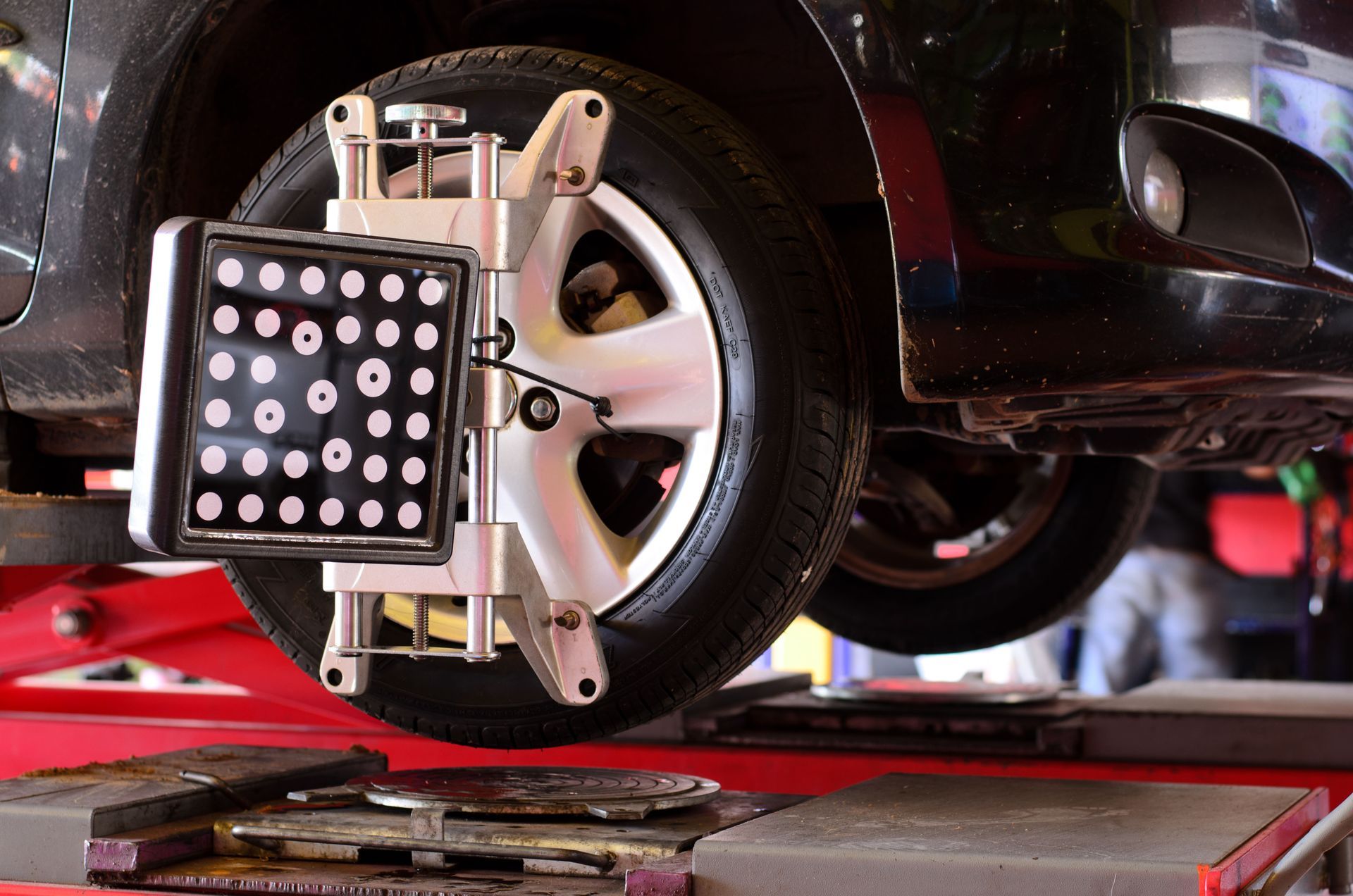
Changes in how your vehicle responds when braking often indicate brake repair needs that affect safety and drivability. Monitoring your vehicle’s handling helps you identify problems before they escalate, keeping you and others safe on the road. If your vehicle pulls to one side while braking, it may be due to uneven pad wear or seized calipers, requiring brake repair and alignment. Unsteady steering during braking suggests worn suspension or brake components, which should be inspected promptly. A spongy or bouncing suspension can affect tire contact and braking efficiency, highlighting the need for thorough maintenance. These handling problems compromise your driving experience and safety, so addressing them early is crucial.
Addressing Increased Stopping Distances and Vibrations
Longer stopping distances can indicate worn pads or other brake system problems that must be repaired to avoid accidents. Shaking or vibrations during braking often point to warped rotors or misaligned components, necessitating immediate brake repair to restore smooth and safe vehicle control. Timely service ensures your vehicle remains responsive and secure in all driving conditions.
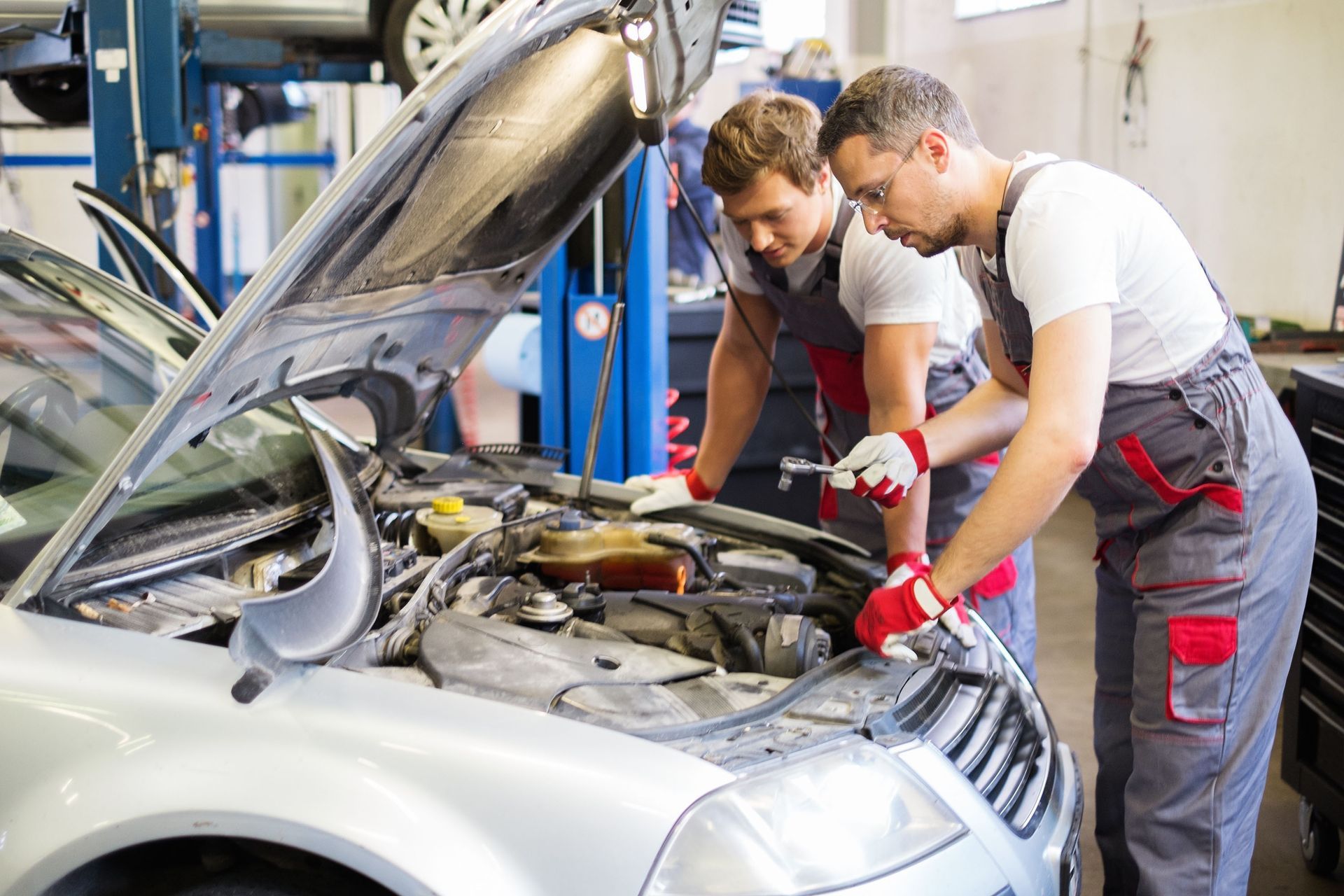
Brake repair is crucial to avoid catastrophic failures and maintain overall vehicle performance. Regular inspections and prompt service prevent small issues from escalating into costly repairs. At Aligned Automotive Centers, expert technicians provide comprehensive brake repair services to keep your vehicle safe and reliable. Don’t wait for warning signs to worsen—contact Aligned Automotive Centers today to schedule your brake inspection and ensure your vehicle is ready for the road.