July 13, 2026
Advanced Driver-Assistance Systems are now standard in the modern automotive landscape, altering how people interact with their vehicles. These systems encompass innovative features designed to bolster vehicle safety and reduce accidents caused by human error. Proper alignment of these digital safety grids is paramount for ensuring that every journey remains secure for drivers and their families. Failure to address the technical needs of these features can lead to operational risks and unexpected complications. Understanding the value of an ADAS calibration service is the first step toward maintaining a high-functioning vehicle that provides consistent protection. When consumers invest in an ADAS calibration service, they are essentially securing the functional longevity of their car's safety assets.
Sensors and cameras function as the eyes of the vehicle, constantly scanning the environment for potential hazards. These components include radar arrays and ultrasonic sensors that must work in perfect harmony to detect lane markings accurately. When these parts are properly aligned, they provide real-time feedback that can prevent collisions and save lives. Selecting a qualified ADAS calibration service ensures that these components are relaying information with the highest degree of accuracy possible.
Even a minor physical change can disrupt the delicate positioning of these sophisticated sensors. For instance, cameras must be positioned at precise angles to interpret the surrounding environment correctly. Misalignment often occurs after windshield replacements or structural repairs, making technical intervention a mandatory part of the repair process. A professional ADAS calibration service acts as a complete realignment for these critical safety components, allowing them to communicate effectively with the vehicle's central computer.
The Causes of Delayed Service
One primary reason that many vehicle owners neglect this essential maintenance task is the perceived financial burden associated with high-tech repairs. Many drivers may prioritize mechanical engine work over the unseen electronic adjustments required for safety sensors. While the benefits of a sensor adjustment may not be as obvious as a new paint job, the safety implications are far more significant. Neglecting to schedule a necessary ADAS calibration service can lead to much larger expenses if a system failure results in a preventable road incident.
Awareness regarding the technical requirements of modern vehicles is another hurdle that many consumers face when maintaining their automobiles. Some drivers mistakenly believe that once a safety feature is installed, it never requires further attention. This misunderstanding can lead to a false sense of security, where a driver assumes their car is protecting them when sensors are out of alignment. Utilizing a certified ADAS calibration service whenever a vehicle undergoes body work is the only way to verify that the safety network is truly active.
The Necessity of Regular Inspections
Modern vehicles require technical attention due to the volume of integrated software and hardware. When an automobile undergoes minor repairs, such as a bumper replacement or a sensor mount adjustment, the electronic components can easily lose their precise calibration. A minor shift in angle at the sensor level can result in a massive deviation down the road, causing the software to misjudge the distance of other cars. It is critical to verify that every component is physically and electronically synchronized after mechanical work is performed on the vehicle.
Maintaining a strict schedule for these technical evaluations ensures that the vehicle continues to offer the maximum protection afforded by its advanced safety features. Regular inspections allow technicians to identify subtle misalignments that might not be obvious to the driver during standard operation. By catching these issues early, owners can avoid the frustration of flickering dashboard warning lights or inconsistent system performance while navigating through heavy traffic. Prioritizing these routine checks is a fundamental aspect of responsible vehicle ownership in the digital age of automotive transportation.
The Effects of Missed Maintenance
A significant impact of missed maintenance is the reduced accuracy of the vehicle's automated safety responses. The function of driver assistance technologies is dependent on the correct positioning of cameras and radar modules throughout the vehicle frame. Misalignments can cause the computer to misinterpret environmental data, leading to incorrect alerts or sudden, unprompted braking interventions. Scheduling a timely ADAS calibration service mitigates these dangerous errors and ensures that the vehicle behaves predictably when faced with real-world driving conditions.
According to Automotive News, upwards of nine out of ten modern automobiles feature built-in automated assistance technologies. With such a high percentage of vehicles relying on these features for safety, the demand for precise technical alignment has reached an all-time high. When safety systems are out of alignment, the real-time data processing is compromised, which increases the likelihood of human error during a crisis. This makes a routine ADAS calibration service an essential part of contemporary automotive maintenance, preserving the functional integrity of the car's digital safety web.
The Risks of Delayed Reactions
Another performance issue associated with neglected maintenance is the potential for significantly delayed system responses. These safety features rely on instantaneous data capture and processing to provide helpful interventions during critical moments. Misaligned lenses and sensors can introduce subtle lag times that compromise the ability of the car to react quickly to a sudden obstacle or a pedestrian. This becomes particularly hazardous in emergency braking situations where every millisecond counts toward preventing a serious collision.
Furthermore, when a system suffers from these timing discrepancies, the automated corrections can often become overly aggressive and jarring for the driver. If a camera detects a lane departure later than it should, the automated steering assist might jerk the vehicle back into place with unnecessary force. This abrupt movement can startle the driver or cause the vehicle to lose traction in slippery or wet conditions. Keeping the electronic systems updated prevents these dangerous timing issues and keeps the automated safety network operating at peak efficiency.
The Value of Professional Support
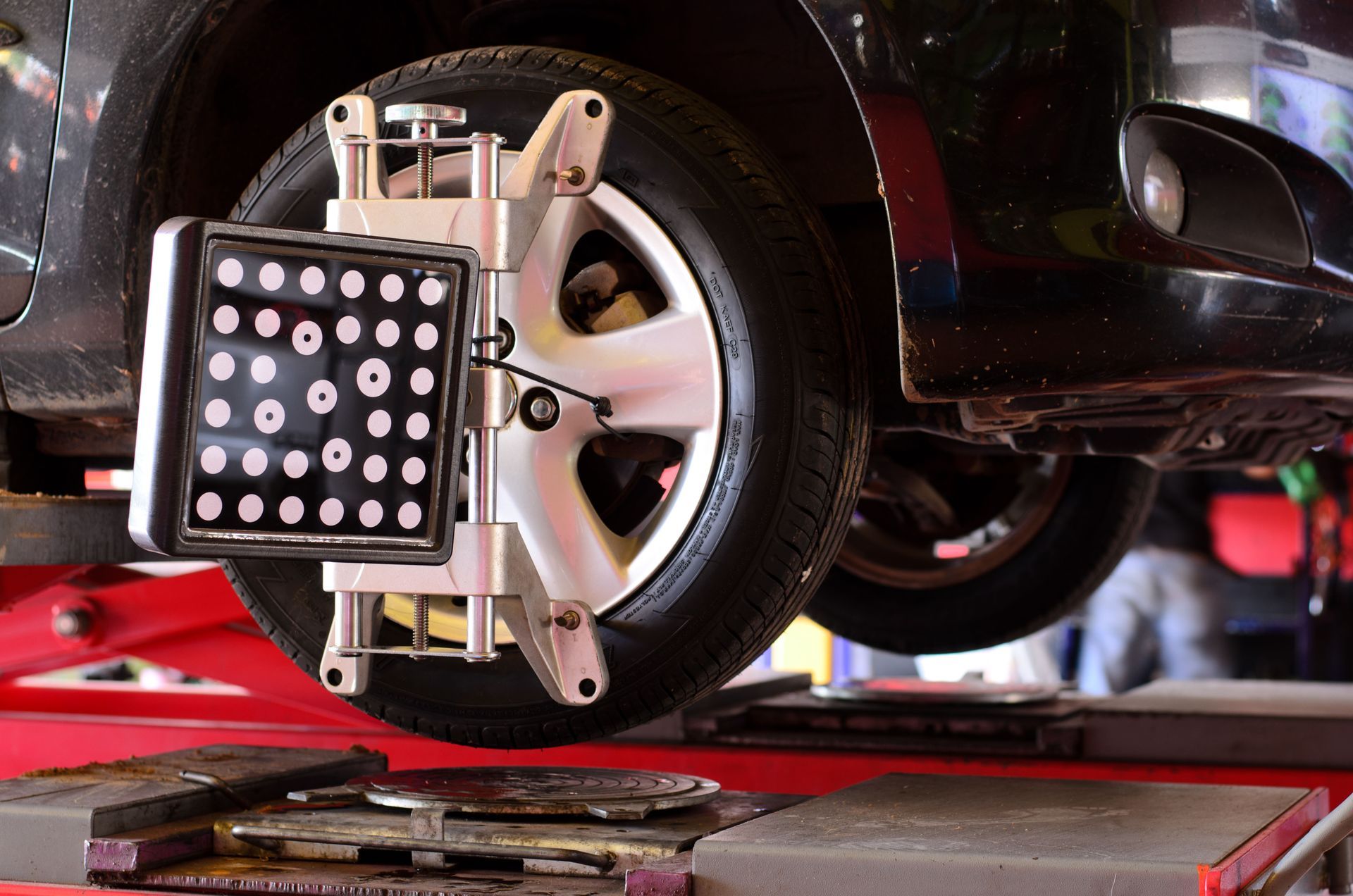
Addressing the complexities of modern vehicle electronics requires specific equipment and technical training that general repair facilities simply do not possess. Professional technicians utilize advanced targeting boards and proprietary software to perform both static and dynamic updates on these systems. Attempting to bypass these professional procedures or relying on unqualified shops can lead to incomplete configurations that leave the vehicle and its passengers vulnerable. Choosing a professional facility ensures that every manufacturer specification is met with absolute precision for the best results.
Ultimately, investing in professional automotive care translates into long-term safety and peace of mind for every journey. When qualified technicians handle the technical adjustment process, they provide a comprehensive safety assessment that covers all integrated electronic components within the vehicle. This thorough approach ensures that every driver assistance feature functions exactly as the engineers intended, reducing the risk of unexpected roadway incidents. Relying on a professional team is the most effective way to maintain the sophisticated technology that keeps modern families safe during their travels.
Maintaining modern vehicular safety systems requires a proactive approach to automotive care that extends far beyond standard oil changes and brake repairs. As electronic driver assistance features become standard across the industry, the necessity for precise sensor and camera alignment becomes paramount to preventing roadway accidents. Overlooking these essential technical adjustments can lead to diminished vehicle accuracy, delayed safety responses, and increased vulnerability on the highway. By prioritizing regular electronic system evaluations, vehicle owners can ensure that their advanced safety features perform optimally. Choosing a reliable, professional automotive facility protects the value of your vehicle investment and guarantees that every automated safety feature operates with the highest degree of reliability. For complete automotive maintenance and precise system alignment that keeps your vehicle performing safely on every journey, the premier choice is Aligned Automotive Centers.