June 9, 2026
Understanding when and why you should service your vehicle's brakes is crucial for ensuring road safety and maintaining optimal vehicle performance. Operating an automobile involves a constant conversion of massive kinetic forces, placing immense pressure on your daily commute.
This comprehensive guide explores the various factors that determine how often brake repairs are needed and provides structural guidance for vehicle owners seeking to extend the lifespan of their braking systems. Regular brake maintenance not only safeguards you and your passengers but also protects other motorists.
Importance of Regular Brake Servicing
Brakes are the most integral safety component of any vehicle, ensuring control and stopping precision. The fundamental function of automotive brakes is to convert kinetic energy into heat energy through extreme mechanical friction, gradually slowing or stopping the vehicle.
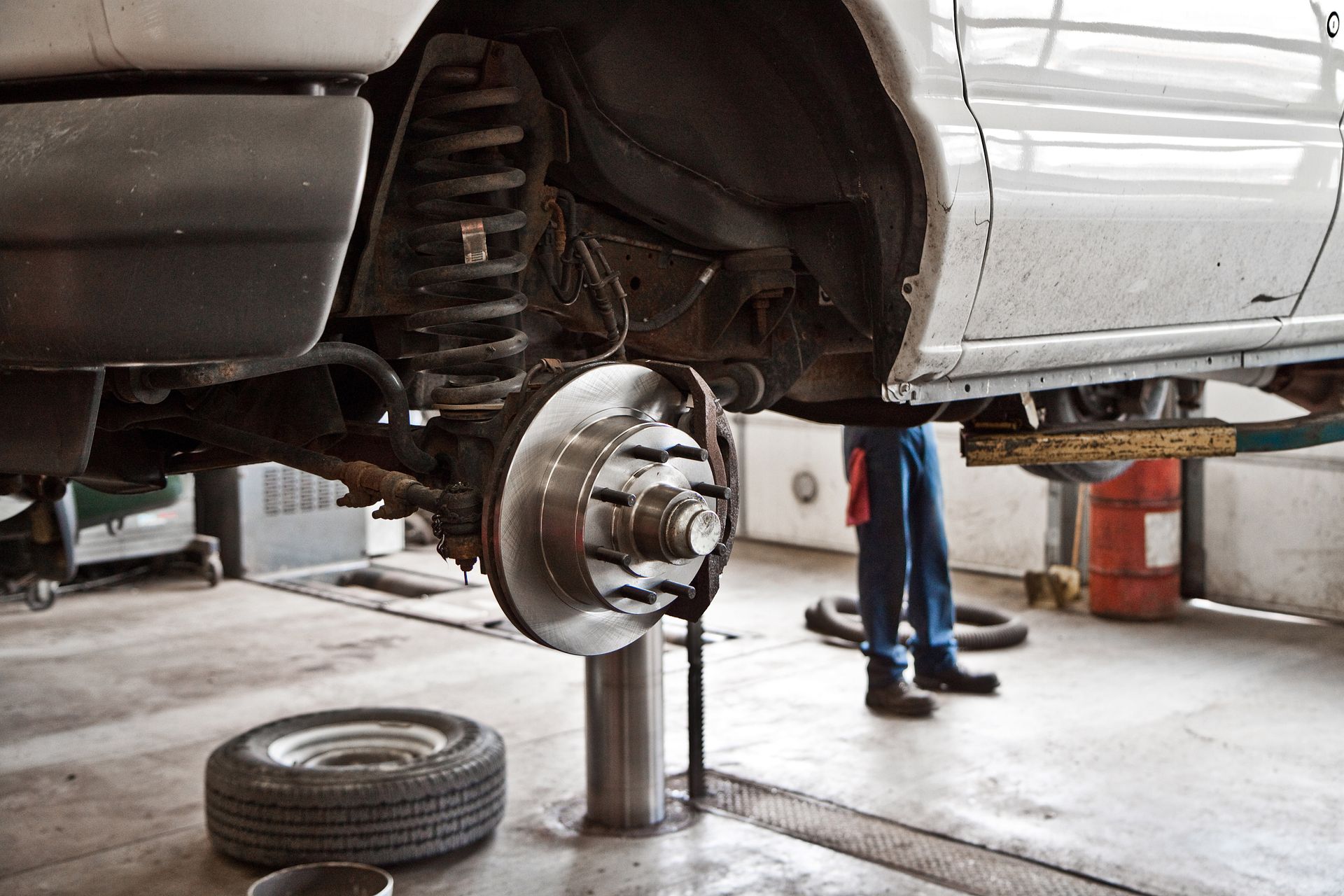
Efficiency in brake functionality is vital in preventing accidents and ensuring the vehicle can respond promptly in emergency situations. Components like brake pads, rotors, and calipers need regular, detailed inspection to ensure they remain in peak structural condition.
Ensuring that your vehicle's stopping mechanisms are in optimal condition is critical to preventing roadside accidents. Faulty assemblies can fail at critical moments, leading to catastrophic consequences on the road. Regular brake inspections and scheduled maintenance drastically reduce the chance of unexpected structural failures, ensuring the vehicle behaves predictably under various driving conditions.
Drivers can easily avoid rear-end collisions and maintain better handling during emergency stops by staying ahead of necessary upgrades. These preventive measures are not only financially prudent but lifesaving.
Routine brake maintenance is a key factor in extending the overall operational lifespan of an automobile. Properly functioning brakes reduce unnecessary mechanical strain on associated vehicle components, such as tires, wheel bearings, and complex suspension systems.
A well-maintained vehicle attracts better offers on the secondary market, improving resale value. Vehicle longevity is enhanced when regular brake servicing is prioritized, helping to ensure that each interconnected component works optimally within the mechanical layout. By preventing small friction issues from escalating into severe rotor gouging, vehicle owners keep unexpected brake repairs lower over the vehicle's life.
While some drivers view regular check-ups as an optional operational expense, routine upkeep is an exceptionally cost-effective investment. Avoiding basic maintenance leads to larger, more expensive overhauls down the line. Regular brake check-ups allow certified technicians to identify minor pad wear before it becomes a significant safety hazard, saving you from hefty brake repairs.
Additionally, maintaining your stopping assemblies leads to long-term savings on fuel, as efficient caliper piston retraction eliminates unnecessary mechanical drag against the wheels.
Vehicle manufacturers provide specific guidelines for brake maintenance based on extensive testing and engineering insight. Adhering to these factory recommendations helps maintain your vehicle warranty and assures the brake infrastructure functions as originally designed.
These recommendations include specific inspection intervals and part replacements, reflecting the engineering standards set by the manufacturer. They take into consideration variables such as the curb weight of the vehicle, its intended use, and typical driving conditions, providing a tailored maintenance schedule that ensures vehicle performance is upheld.
Key Indicators That Your Brakes Need Servicing
Acoustic feedback from your wheels when stopping is often an early indicator of potential mechanical problems. High-pitched squealing usually signals that the built-in metal wear indicators on your brake pads are exposed, warning you that the friction material is nearing the end of its lifespan.
When brake pads wear down completely, a severe metal-to-metal grinding noise occurs, indicating that the caliper backing plates are actively damaging the iron rotors. Ignoring these warning sounds will lead to extensive structural destruction, making early detection crucial to avoid costly emergency brake repairs.
If you feel a distinct vibration or pulsation through the brake pedal during deceleration, it is a sign of warped or unevenly worn rotors. Warped rotors lead to inconsistent pad contact, reducing the overall stopping effectiveness of your vehicle.
This structural defect often arises from prolonged exposure to excessive thermal heat, typically due to aggressive braking or driving through mountain passes. Addressing the problem promptly by resurfacing or replacing the rotors prevents further hardware damage and restores smooth hydraulic functionality.
A brake pedal that feels soft, spongy, or completely unresponsive is a critical safety issue. This symptom indicates air bubbles trapped inside the brake lines or an internal failure within the master cylinder. Air is compressible, which compromises the hydraulic pressure necessary for effective stopping.
Prompt attention from a trained technician is vital to flush the hydraulic lines and execute critical brake repairs. Ensuring immediate brake pedal response is paramount for maintaining baseline vehicle safety on the highway.
Modern vehicles are equipped with dashboard warning lights that alert drivers to electrical or mechanical abnormalities. The brake warning light may illuminate due to a drop in fluid levels, pad wear sensors tripping, or a malfunctioning Anti-lock Braking System (ABS).
When this warning light appears, seek an immediate professional diagnostic assessment. Routine electronic scans ensure that the underlying sensors within the braking network remain highly accurate and efficient.
Without adequate fluid volume, the system cannot create the immense hydraulic pressure needed to halt the vehicle, posing a significant safety threat. It is essential to address any leaks immediately to maintain structural integrity and avoid complete brake repairs.
Factors Influencing Brake Wear
Your daily driving habits affect the wear and tear experienced by your vehicle's friction components. Aggressive driving, characterized by tailgating and sudden hard braking, shortens pad lifespans by creating extreme thermal friction spikes. Conversely, smooth and gradual deceleration helps maximize component longevity.
According to Cars, brakes may last only 15,000 to 30,000 miles with frequent city or rush-hour driving, while highway driving can extend their lifespan to 70,000 miles or more. By adopting more cautious and consistent driving habits, motorists can reduce structural strain on their vehicles, preventing premature brake repairs.
Similarly, driving through mountainous or hilly terrains requires continuous friction braking to control descent speeds, leading to accelerated thermal wear. Conducting regular inspections and cleaning road debris from your wheels can mitigate the impact of environmental stressors.
The specific type of vehicle you operate and the structural payload it carries will influence your maintenance timelines. Heavier vehicles, such as commercial trucks and large SUVs, require significantly more kinetic force to stop, leading to quicker friction material wear.
Additionally, frequently transporting heavy cargo or towing trailers adds extreme strain to the system, necessitating more frequent maintenance intervals. Drivers of larger vehicles should prioritize regular inspections to ensure their stopping assemblies match the vehicle's actual payload demands.
Opting for low-grade, budget components can result in frequent replacement cycles, heavy brake dust accumulation, and ultimately higher long-term expenses. Investing in reputable brands and certified parts enhances system efficiency, resulting in a safer, more reliable vehicle.
Regular brake servicing is a fundamental pillar of responsible vehicle ownership that directly impacts road safety, vehicle longevity, and financial stability. By staying vigilant for early warning signs like squealing or pedal pulsation, adhering to recommended mileage intervals, and prioritizing component quality, you can ensure your vehicle maintains dependable stopping power. Proactive maintenance entirely eliminates the risk of unexpected mechanical failure, protecting your passengers and preserving your peace of mind.
Don't wait for an emergency stop to discover a problem with your vehicle's stopping power. For precision diagnostics, transparent pricing, and expert care you can completely trust, contact the certified technicians at Aligned Automotive Centers today to book your comprehensive braking system inspection and keep your vehicle operating safely.