August 13, 2026
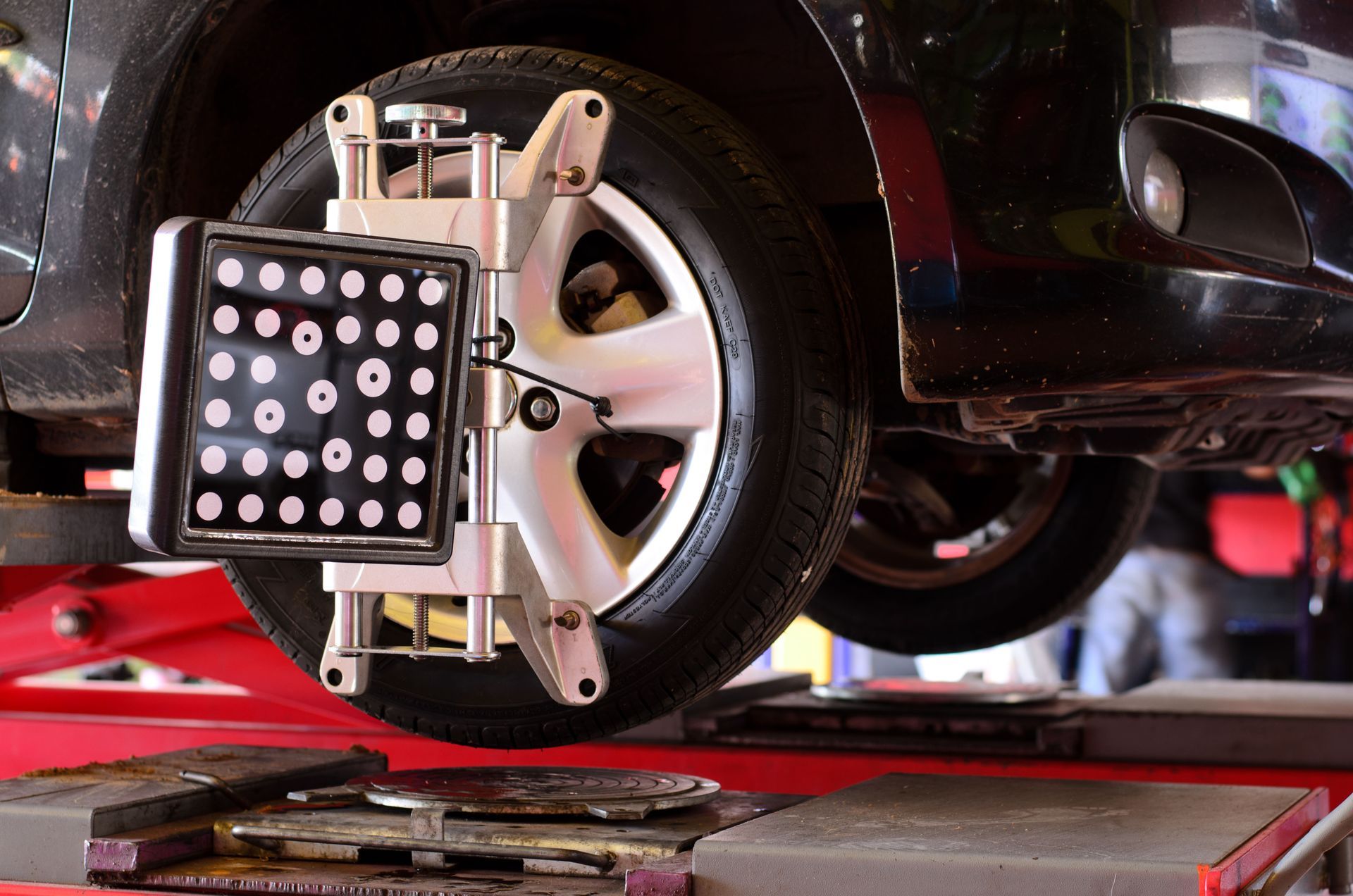
Many drivers focus on oil changes, tire rotations, and brake inspections but often overlook wheel alignment as part of routine vehicle maintenance. Although it is not always visible, proper alignment plays a significant role in how a vehicle handles, performs, and responds on the road. Wheels that are not aligned correctly can affect steering, tire wear, fuel efficiency, and overall driving comfort. Even everyday situations such as hitting potholes, driving over curbs, or traveling on rough roads can gradually change wheel alignment. Addressing alignment issues early helps protect important vehicle components while improving safety behind the wheel. Regular inspections allow drivers to identify problems before they become more expensive repairs. A professional car alignment helps restore proper wheel positioning and supports better vehicle performance. Understanding why alignment matters can help drivers maintain a safer and more comfortable driving experience.
Improve Steering Control and Stability
One of the first benefits drivers notice after a proper wheel alignment is improved steering control. When wheels are correctly aligned, the vehicle responds more accurately to steering input and remains easier to control during everyday driving. Misaligned wheels may cause the vehicle to drift toward one side, requiring constant steering corrections to stay centered within the lane. This continuous adjustment can become tiring during longer trips and reduce overall driving confidence. Proper alignment helps the steering wheel remain centered while supporting predictable vehicle handling. Better steering response also improves control during turns, lane changes, and sudden driving situations. Drivers often experience a smoother and more stable ride when alignment angles are restored to manufacturer specifications. Scheduling a professional car alignment helps improve handling while supporting safer vehicle operation.
Reduce Uneven Tire Wear
Tires represent a significant investment, and proper alignment helps maximize their useful lifespan. When wheels are not aligned correctly, tires may wear unevenly because different areas of the tread experience excessive contact with the road. Uneven tire wear reduces traction and may require premature tire replacement even when much of the tread remains usable. Drivers may notice feathering, excessive edge wear, or bald spots developing across the tires. Regular inspections allow these patterns to be identified before they become severe. According to AutoInc, nearly 35% of drivers postpone wheel alignments, increasing the likelihood of uneven tire wear and additional maintenance concerns. Maintaining proper alignment helps tires wear more evenly while supporting better overall performance. A routine car alignment protects both tire life and driving safety.
Increase Driving Comfort
Driving should feel smooth and predictable under normal road conditions. Vehicles with poor wheel alignment often produce vibrations, pulling sensations, or steering irregularities that reduce overall comfort. Even minor alignment issues can make daily commuting less enjoyable over time. Properly aligned wheels allow the vehicle to travel more naturally while reducing unnecessary resistance between the tires and the road surface. Drivers often notice less steering effort and improved ride quality after alignment adjustments are completed. Better vehicle balance also contributes to a more relaxed driving experience during highway travel and city driving alike. Reducing unwanted steering corrections helps decrease driver fatigue on longer trips. Professional car alignment services improve overall comfort while restoring proper vehicle handling.
Improve Fuel Efficiency
Proper wheel alignment can also contribute to more efficient vehicle operation. When wheels point in the correct direction, the vehicle rolls with less resistance across the road surface. Misalignment creates unnecessary drag that forces the engine to work harder to maintain speed. Increased rolling resistance may gradually reduce fuel efficiency over time. Although alignment is only one factor influencing fuel consumption, correcting alignment issues helps eliminate avoidable mechanical resistance. Drivers who maintain proper alignment often support more efficient vehicle performance as part of a complete maintenance routine. Combining alignment with proper tire inflation and regular maintenance further improves efficiency. Scheduling a professional car alignment helps support smoother operation while reducing unnecessary strain on the vehicle.
Protect Suspension Components
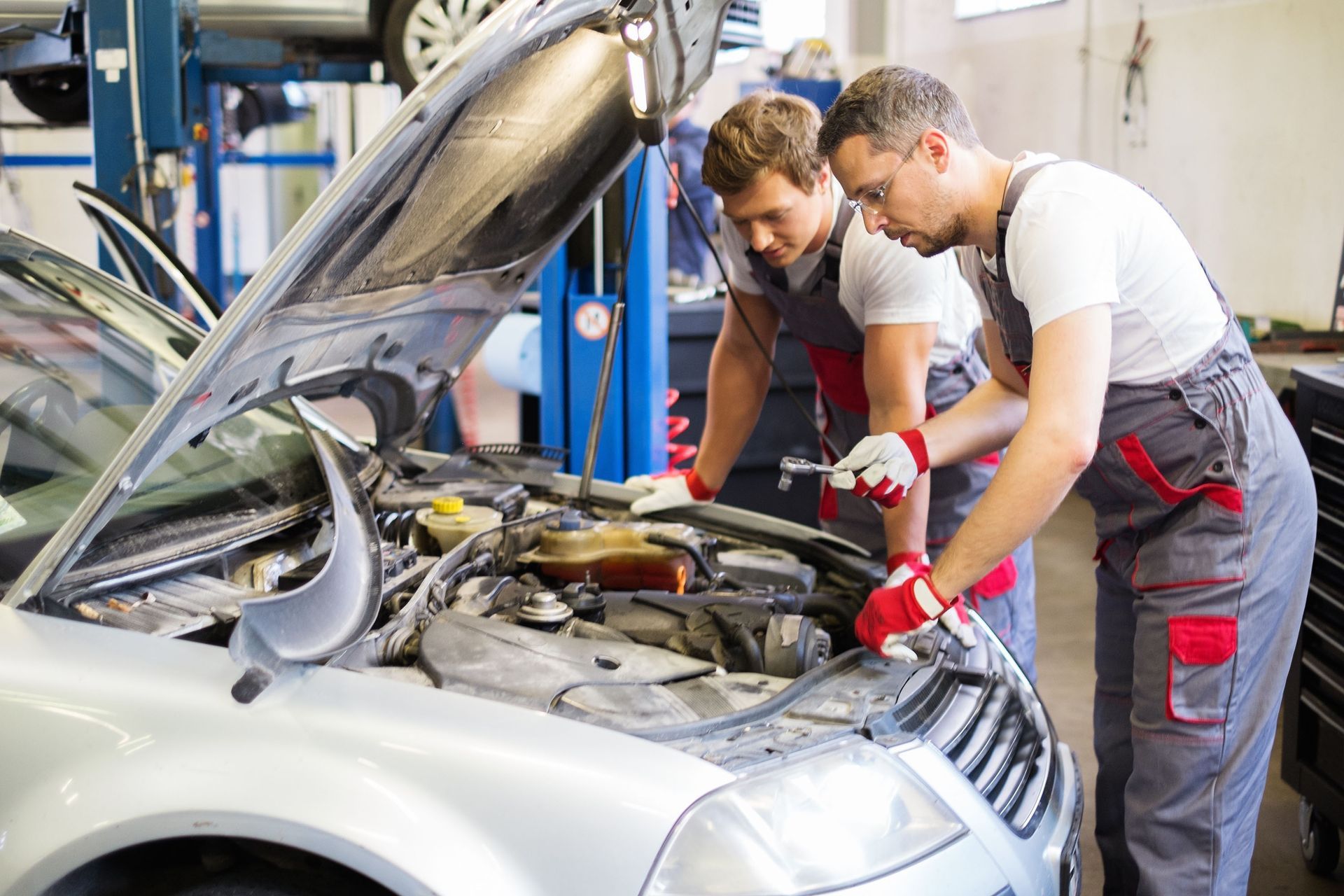
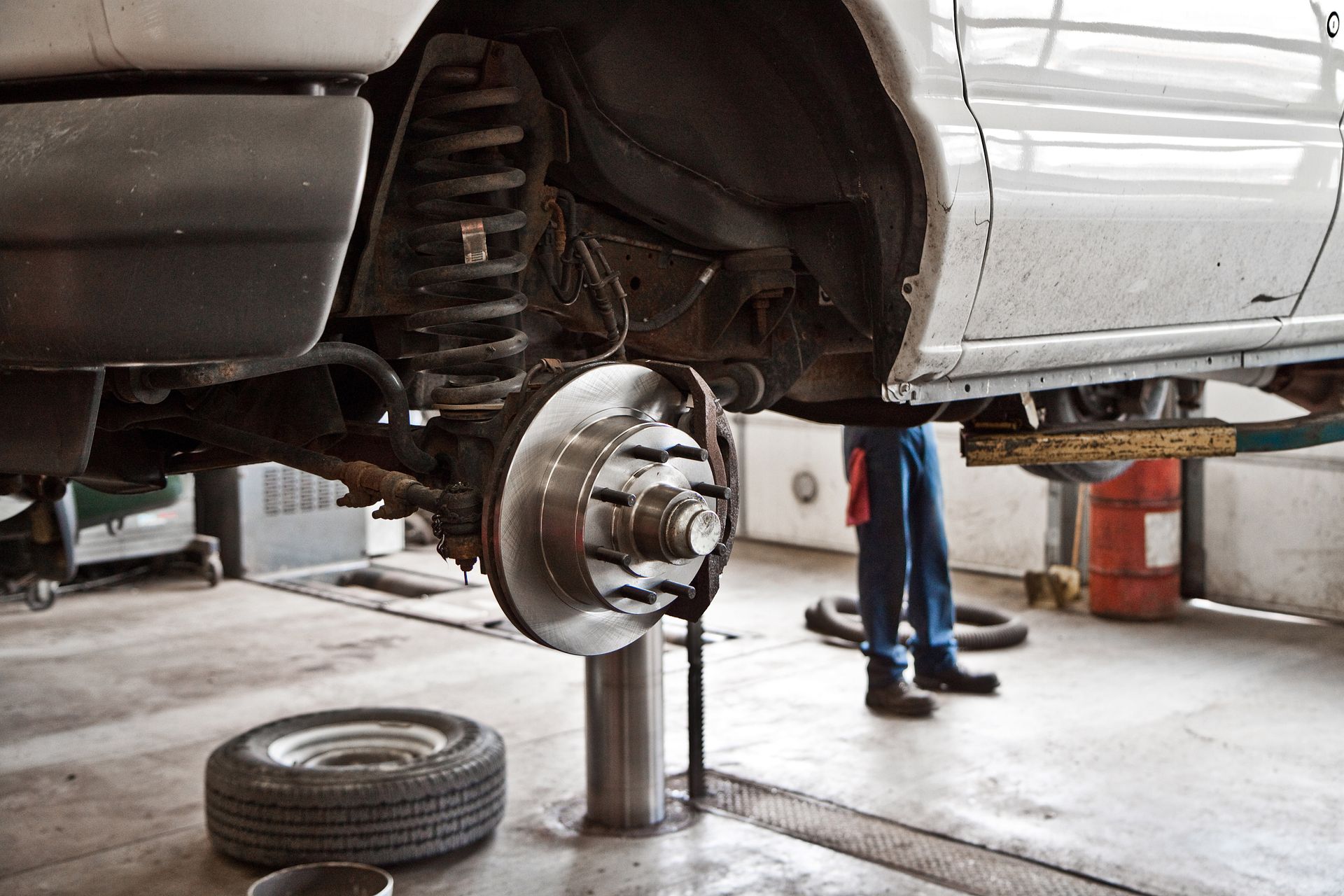
The suspension system works together with the steering and tires to provide stability, comfort, and control. Misaligned wheels can place additional stress on suspension components because they are forced to compensate for improper wheel positioning. Over time, this additional strain may contribute to premature wear on steering and suspension parts. Addressing alignment concerns early helps reduce unnecessary pressure on these important systems. Routine inspections also allow technicians to identify related suspension issues before they become larger problems. Maintaining proper alignment supports balanced vehicle operation while protecting other connected components. Preventative maintenance often costs less than replacing worn suspension parts later. A properly performed car alignment contributes to the long-term health of the vehicle's steering and suspension systems.
Enhance Tire Performance in Different Conditions
Tires perform best when they maintain consistent contact with the road surface. Proper wheel alignment helps distribute vehicle weight evenly across all four tires, improving stability and traction during normal driving conditions. Balanced tire contact becomes especially important during rain, emergency braking, or sudden steering maneuvers. Uneven tire wear caused by poor alignment may reduce the tire's ability to maintain proper grip. Better tire performance contributes directly to safer vehicle handling throughout changing road conditions. Maintaining proper alignment also supports more predictable braking distances and cornering stability. Drivers benefit from improved confidence knowing their tires are operating as intended. Professional car alignment services help maximize tire performance while supporting safer driving.
Prevent More Expensive Repairs
Ignoring minor alignment issues can eventually lead to larger repair expenses. Uneven tire wear may require premature tire replacement, while ongoing steering problems can contribute to additional strain on suspension and steering components. Correcting alignment problems early often helps prevent these avoidable costs. Regular vehicle inspections provide opportunities to identify alignment changes before damage becomes more extensive. Drivers who respond quickly to warning signs such as pulling, uneven tire wear, or off-center steering often avoid more significant repairs later. Preventative maintenance protects multiple vehicle systems while supporting reliable daily transportation. Addressing small problems early remains one of the most effective ways to reduce long-term maintenance costs. Routine car alignment services help preserve important vehicle components while preventing unnecessary repairs.
Support Long-Term Driving Safety
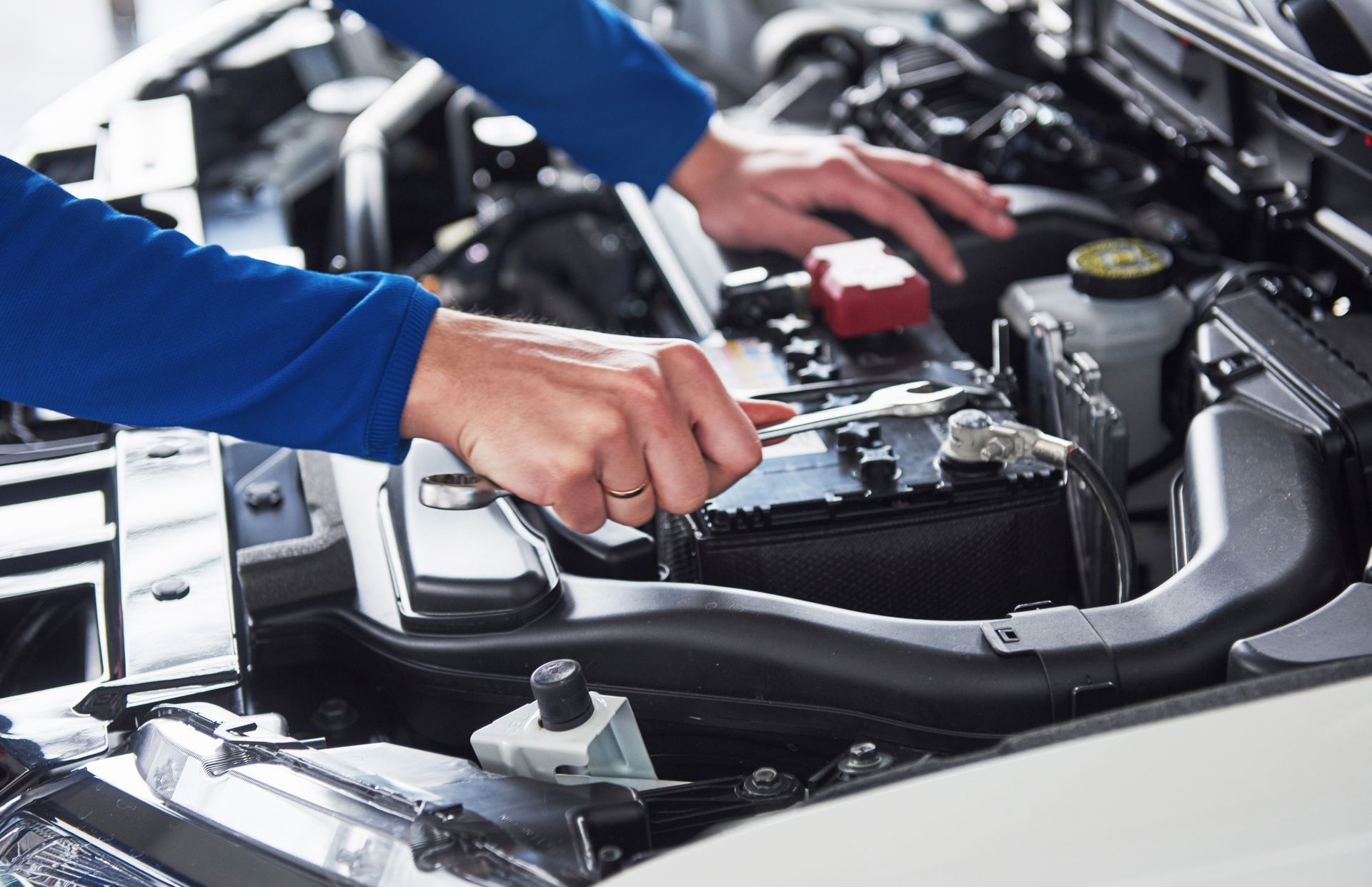
Safe driving depends on many systems working together properly, and wheel alignment is one of those important factors. A vehicle that handles predictably allows drivers to respond more effectively to changing traffic conditions and unexpected obstacles. Proper alignment helps maintain consistent steering, balanced tire wear, and reliable vehicle control throughout the year. Routine maintenance also provides opportunities to identify other developing issues before they affect vehicle performance. Drivers who prioritize alignment often experience greater confidence behind the wheel because the vehicle responds more consistently. Maintaining alignment is a simple yet valuable part of responsible vehicle ownership. Investing in preventative maintenance supports both safety and long-term reliability. Scheduling regular car alignment inspections helps keep vehicles operating smoothly while protecting drivers, passengers, and other road users.
Proper wheel alignment supports safer handling, longer tire life, improved comfort, and better overall vehicle performance. Aligned Automotive Centers provides professional alignment services designed to help drivers protect their vehicles and maintain reliable operation throughout the year. Whether your vehicle is showing signs of misalignment or you want to include alignment as part of routine maintenance, experienced technicians can help evaluate your vehicle's needs. Contact us today to learn how professional car alignment services can contribute to a safer, smoother, and more efficient driving experience.